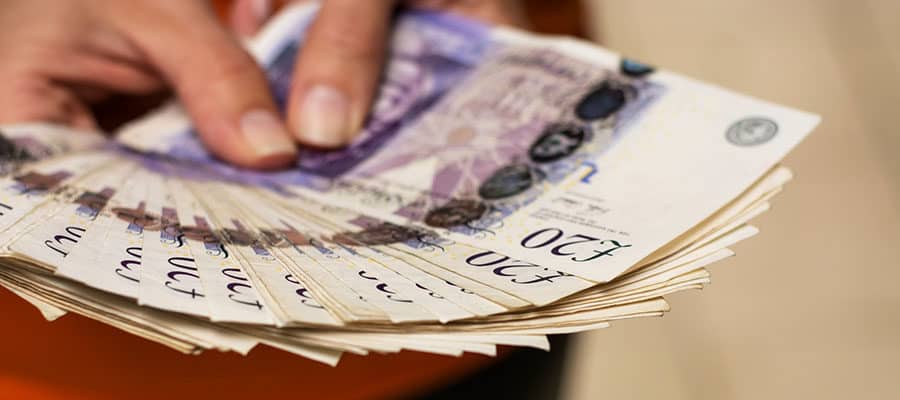
Most investors will be familiar with the phrase “cash is king”, but these days it seems to belong to another time and place.
Cash was dethroned the moment global savings rates were squeezed to near zero in the wake of financial crisis.
Too many savers loyally cling on in hope of a recovery, even as interest rates turn negative across much of Europe and Japan.
The US Federal Reserve is currently the only central bank that is considering hiking rates, but it has failed to raise rates once so far in 2016.
With some accounts paying as little as 0.01%, even the most loyal saver must accept that the days when cash was king are now history.
Slow death
Of course, everybody should keep some money in an instant access savings account in case of emergencies.
If you are building a pot of money for a short-term goal such as a property deposit, cash is a handy safe haven. The elderly will be understandably reluctant to take risks with their money, and rightly leave it in the bank.
But for everybody else, leaving large sums of money in cash for long periods no longer makes sense, as its value will steadily be eroded by inflation. This means you are sentencing it to a slow and painful death.
Dividend heroes
If you have long-term savings, you simply can no longer afford to leave them in cash and must explore the alternatives.
Why put up with, say, 0.5% interest when you can generate 10 times as much income by investing in dividend-paying stocks?
A host of top global companies across the UK, US, Europe and now emerging markets now offer generous yields of between 3% and 7%.
It is a relatively straightforward task to create a balanced portfolio of stocks offering a annual income of around 5% a year.
Dividend stocks are the unsung heroes in the global hunt for yield. It is time we started singing their praises more loudly!
Income for growth
Another attraction is that most companies aim to progressively increase their dividends over time, which means you are locking into a potentially rising income stream.
Too many investors underestimate the value of this income stream. Over the long term, dividends are responsible for around two thirds of the money you will ever make from stocks and shares, provided you reinvest your income back into the company’s stock.
When you finally stop working you can take the dividends as income to fund your retirement, and if your portfolio is large enough leave the capital invested for further growth.
Risk and royal returns
Naturally, stocks and shares are riskier than cash. You should never invest money you expect to need in the next five years.
Dividends aren’t guaranteed either, and there is always the danger they will be cut if company performance slips.
You can largely avoid this fate by researching your companies carefully before parting with your money, and be particularly wary of those offering large yields of 6% or 7%, which may prove hard to sustain.
Stock markets may seem volatile in in the short term, but over the longer run they beat all the alternatives and destroy savings accounts.
Cash is dead — long live the dividend!